
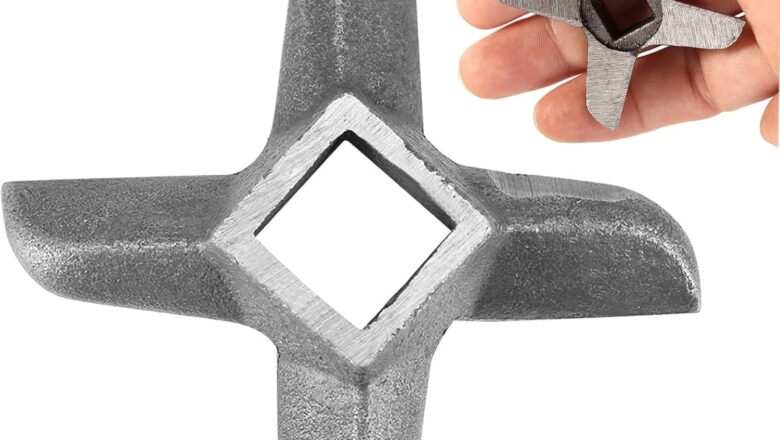
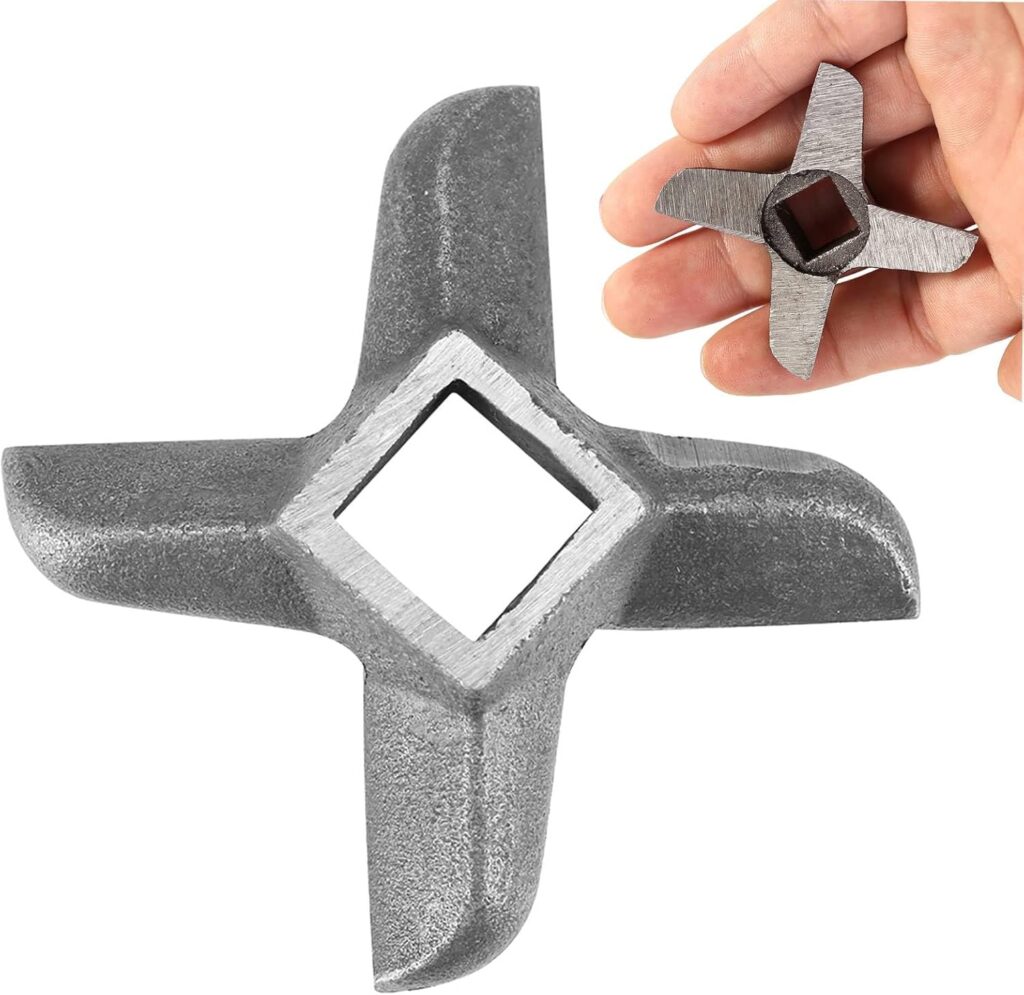
The best Kalsi mincer cutter blade spare part for models 10/12 is the **Kalsi 10/12 Stainless Steel Cutter Blade**, designed for durability and precision. Made from high-quality stainless steel, it ensures long-lasting sharpness and efficient meat grinding. Compatible with Kalsi 10/12 mincers, it delivers optimal performance for home or commercial use. Always check your model’s specifications before purchasing.
If your meat mincer starts tearing meat instead of slicing cleanly, or if the blade wobbles even after tightening, it’s not the motor—it’s the blade. A dull or bent Kalsi mincer cutter blade spare part for 10 / 12 can ruin texture, waste food, and slow down your prep. Replacing it takes less than five minutes when you have the right spare part and know the exact steps. The Kalsi mincer cutter blade spare part for 10 / 12 fits models 10 and 12, is made from high-carbon stainless steel, and costs only ₹199.00. It restores sharpness and balance without special tools or professional help.
This guide shows you how to spot a worn blade, swap it in under five minutes, and confirm it’s cutting like new. You’ll also see the pros and cons of this specific spare part and answers to the most common questions. By the end, you’ll know whether the Kalsi mincer cutter blade spare part for 10 / 12 is the right fix for your mincer.
Table of Contents
Signs Your Mincer Blade Needs Replacing
Before you buy any spare part, confirm the blade is the problem. Start the mincer empty and watch how the blade interacts with the screw. If the meat shreds instead of slicing cleanly, or if the blade chatters against the plate, the edges are dull. A bent blade causes uneven grinding and can crack the plate over time. Another red flag is visible nicks or a shiny flat spot on the cutting edge—these mean the steel has lost its temper and won’t slice cleanly again.
Listen for a rhythmic click instead of a smooth hum; that’s the blade bouncing off the plate because it’s no longer flat. If you tighten the nut and the wobble remains, the blade itself is warped. Also check the screw hole for stripping; a rounded hex socket means the original blade is too far gone to reuse. When any of these signs appear, the Kalsi mincer cutter blade spare part for 10 / 12 is the exact replacement you need.
Quick Visual Checklist
- Edges appear dull or rounded instead of razor-sharp
- Blade wobbles even after tightening the nut
- Meat comes out shredded, not ground
- Visible nicks or flat spots on the cutting surface
- Hex socket in the center is stripped or rounded
Tools You’ll Need for a Quick Swap
You don’t need a full workshop to change a mincer blade. Gather a 13 mm spanner or adjustable wrench, a clean cloth, and a food-safe lubricant like mineral oil or silicone spray. If your mincer has a locking pin, keep a flat-head screwdriver handy. The Kalsi mincer cutter blade spare part for 10 / 12 arrives pre-sharpened and balanced, so no additional sharpening tools are required.
Unplug the mincer before you start. Place a towel over the feed hopper to prevent the blade from spinning if the motor is accidentally switched on. Keep the original nut and washer in case you need to reinstall the old blade for comparison. With these four items—spanner, cloth, lubricant, and screwdriver—you’re ready to swap the blade in under five minutes.
Tool List
- 13 mm spanner or adjustable wrench
- Clean microfiber cloth
- Food-safe lubricant (mineral oil or silicone spray)
- Flat-head screwdriver (if your model has a locking pin)
Step-by-Step Blade Replacement Process
Step 1: Disconnect Power and Remove the Hopper
Unplug the mincer and remove the hopper by lifting it straight up. Some models have a locking pin; slide it out with a flat-head screwdriver before lifting. Set the hopper aside on a clean surface. Wipe the neck of the mincer with the cloth to remove any meat residue—this prevents contamination when you reinstall the new blade.
Step 2: Unscrew the Blade Nut
Place the 13 mm spanner on the blade nut and turn counter-clockwise. If the nut is tight, tap the spanner lightly with a rubber mallet to break the thread loose. Keep the cloth under the nut to catch any oil or meat juices. Once the nut is off, lift the washer and remove the old blade. Inspect the washer for wear; if it’s bent or cracked, replace it with a new one to maintain proper blade alignment.
Step 3: Clean the Mincer Neck and Plate
Use the cloth to wipe the neck and the plate interface. Remove any hardened fat or meat fibers with a plastic scraper—never metal, to avoid scratching the stainless steel. Lightly oil the neck with your food-safe lubricant to reduce friction when the new blade spins. This step ensures the Kalsi mincer cutter blade spare part for 10 / 12 seats flat and spins true from the first use.
Step 4: Install the New Blade
Slide the new Kalsi mincer cutter blade spare part for 10 / 12 onto the screw with the cutting edges facing the plate. The blade has a flat side and a beveled side; the beveled side must face outward toward the hopper. Align the washer over the blade, then thread the nut back on by hand to avoid cross-threading. Tighten the nut firmly with the spanner, but do not overtighten—over-tightening can warp the blade.
Step 5: Reassemble and Test
Reattach the hopper and locking pin if your model has one. Plug in the mincer and run a test batch of chilled beef or chicken through it. The meat should come out evenly ground with no shredding. If the blade chatters, loosen the nut slightly, re-center the blade, and retighten. Once the test batch is clean and quiet, your mincer is ready for regular use.
How to Test Your New Blade for Optimal Performance
Start with a small batch of semi-frozen meat—about 200 g—so you can see the cut without wasting large quantities. Feed the meat slowly at first; if the blade pulls the meat in smoothly, the sharpness is correct. If the meat stalls or the motor strains, the blade may be installed backward or the plate hole may be clogged. Stop the mincer, unplug it, and clear any obstructions before restarting.
Check the temperature of the blade after two minutes of continuous use; it should feel warm, not hot. Excessive heat means the blade is dull or the plate is too tight. Loosen the nut one-eighth of a turn and retest. For best results, run the mincer for five minutes, then disassemble and wipe the blade and plate with the cloth. Reapply a light coat of lubricant to prevent rust and extend the life of your Kalsi mincer cutter blade spare part for 10 / 12.
Performance Checkpoints
- Meat feeds smoothly without stalling
- Output texture is uniform, not shredded
- Blade temperature rises moderately, not excessively
- No unusual noise or vibration during operation
Pros and Cons
Pros
- Exact fit for models 10 and 12: Machined to OEM dimensions, so it seats perfectly without shimming or adjustment.
- High-carbon stainless steel: Holds an edge longer than standard stainless and resists corrosion from meat juices.
- Pre-sharpened and balanced: Arrives ready to cut; no additional sharpening required before first use.
- Balanced for low vibration: Reduces motor strain and extends the life of the gearbox.
- Affordable at ₹199.00: Costs less than a professional sharpening service and ships quickly.
Cons
- Not dishwasher-safe: Hand-wash only to preserve the edge; dishwasher detergents dull the steel.
- Single-bevel design: Requires correct orientation; installing backward reduces cutting efficiency.
- No lifetime warranty: Warranty covers manufacturing defects for 90 days; wear and tear is not covered.
- Limited to models 10 and 12: Does not fit Kalsi models 8, 16, or 22.
- Hex socket can strip: If overtightened, the center hole may round out; use moderate torque only.
Frequently Asked Questions
Can I sharpen the old blade instead of buying a new one?
Sharpening a mincer blade is possible with a fine diamond file or bench grinder, but the steel is thin and the geometry is critical. After a few sharpenings, the blade becomes unbalanced and wobbles, causing vibration and poor cuts. The Kalsi mincer cutter blade spare part for 10 / 12 costs ₹199.00 and arrives perfectly balanced, so replacement is faster and more reliable than sharpening.
What is the difference between the 10 and 12 models?
The Kalsi 10 has a 10 cm throat diameter and a 1 HP motor, while the 12 has a 12 cm throat and a 1.5 HP motor. Both use the same blade diameter and mounting pattern, so the Kalsi mincer cutter blade spare part for 10 / 12 fits both models interchangeably. The only difference is the output capacity; the blade itself is identical.
How long will the new blade last?
With proper care—hand-washing, light lubrication after each use, and avoiding bone—the blade typically lasts 6–12 months of regular use (about 20–40 kg of meat per week). If you notice shredding again, inspect the blade for nicks or bending; replace it promptly to avoid damaging the plate.
Is the blade dishwasher-safe?
No. Dishwasher detergents are alkaline and corrosive to high-carbon steel. Hand-wash the blade with warm soapy water, dry immediately, and apply a light coat of mineral oil to prevent rust. Store it in a dry place away from moisture.
Can I use this blade for vegetables or fruits?
Yes, but reduce the feed rate to avoid jamming. The blade is designed for meat, so fibrous vegetables like celery or pineapple can clog the plate. For best results, cut produce into 2 cm cubes and feed slowly. The Kalsi mincer cutter blade spare part for 10 / 12 will slice cleanly, but expect slightly faster wear than with meat.
If your mincer’s blade is dull, bent, or wobbling, the Kalsi mincer cutter blade spare part for 10 / 12 is the fastest way to restore sharp, clean cuts. At ₹199.00, it’s cheaper than a service call and arrives pre-sharpened and balanced. The five-minute swap requires only a spanner and a cloth, and the blade fits both Kalsi models 10 and 12 without modification. Keep one on hand so you’re never stuck with a shredded batch of meat again.
